Online Chinese Classes for Kids: A Guide for Parents
As a Chinese language school with years of experience teaching young learners, we’ve witnessed firsthand how the landscape of language education has transformed with technology. Online Chinese classes for children have emerged as a powerful pathway to fluency, bringing expert instruction directly into your home.
Why Consider Online Chinese Classes?
Young minds absorb languages with remarkable efficiency. What many parents don’t realize is that the structured environment of online classes can actually enhance this natural ability. At GoEast Mandarin, we’ve found that the focused nature of virtual learning creates a distraction-free zone where children can immerse themselves in Mandarin sounds and patterns.
Online learning removes geographical barriers that once limited access to quality Chinese instruction. A child in suburban America can now learn from native Mandarin speakers with specialized training in childhood language acquisition. This accessibility represents a significant advantage over previous generations of language learners.

Age-Appropriate Online Learning Approaches
The effectiveness of online Chinese classes varies significantly by age group:
Preschoolers (3-5 years)
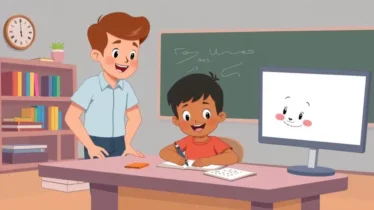
For our youngest learners, screen time must be thoughtfully managed. Our preschool online sessions incorporate movement breaks and utilize digital puppets that bring Chinese characters to life. These classes typically run 20-25 minutes – the sweet spot before attention wanders.
One parent observed that her 4-year-old retained vocabulary better through online classes because of the visual consistency. The same teacher, same background, and same digital materials created a reassuring learning environment that reinforced connection.
Elementary School (6-10 years)
Elementary students thrive with interactive online tools that transform learning into discovery. Digital character-building exercises where students arrange strokes on-screen often yield better results than traditional pen-and-paper practice, as the immediate feedback loop accelerates confidence.
These learners benefit from 30-45 minute sessions where instructors incorporate digital games that reinforce vocabulary through friendly competition and reward systems.
Middle and High School (11-18 years)
Older students navigate more sophisticated learning management systems where they can track their progress independently. Their online classes typically extend to 45-60 minutes and incorporate authentic Chinese media, digital breakout rooms for conversation practice, and structured writing assignments.
The Technology Behind Effective Online Learning

Quality online Chinese instruction goes far beyond video calls. At GoEast, our virtual classrooms include:
- Interactive whiteboards where teachers and students can write Chinese characters simultaneously
- Character recognition software that provides instant feedback on stroke order
- Digital flashcard systems that adapt to each student’s learning curve
- Recording features that allow students to compare their pronunciation with native speakers
The technology should enhance, not replace, the human connection between teacher and student. Our most successful online instructors use technology as their assistant, not as the main attraction.
Comparing Online vs. In-Person Chinese Instruction
When parents ask whether online learning can match in-person instruction, I offer this perspective: they’re different experiences with distinct advantages.
Online classes provide consistency regardless of external factors. Snow days, traffic delays, and seasonal illnesses don’t disrupt the learning schedule. This steady rhythm of instruction proves especially valuable for language acquisition, where regular exposure is crucial.
In-person learning offers more immediate physical cues and energy exchange. However, modern online platforms have narrowed this gap considerably. Our virtual teaching methods now incorporate hand gestures, facial expressions, and even movement-based learning through camera interaction.
The decisive factor often becomes convenience. Many families discover that eliminating travel time transforms their relationship with language learning – turning it from a logistical challenge into an accessible daily practice.
Finding the Right Online Chinese Program
The most effective online Chinese programs for children share several qualities:
- Native-speaking teachers with specific training in childhood language acquisition
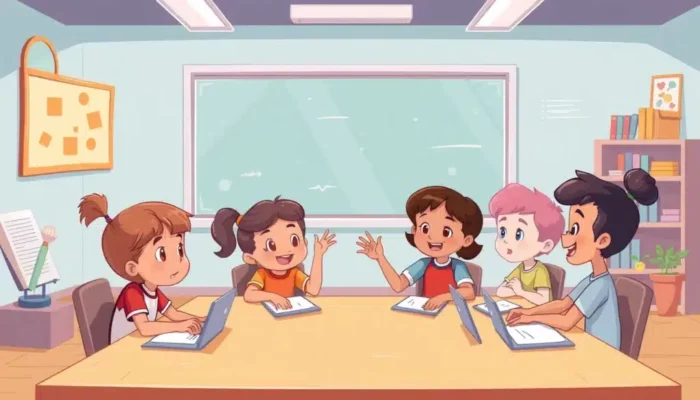
- Small class sizes (ideally 4-6 students) or private options for personalized attention
- Curriculum that balances character learning, speaking, listening, and cultural understanding
- Flexible scheduling that accommodates family routines
- Transparent progress tracking that parents can understand
Look beyond flashy websites to examine the teaching methodology. Request a trial class and observe how the teacher adapts to your child’s learning style. Does the instructor create genuine moments of connection through the screen? Do they balance structure with playfulness? These qualities matter more than cutting-edge technology.
| Program Type | Best For | Typical Format | Key Benefits |
|---|---|---|---|
| Group Classes | Social learners; budget-conscious families | 4-6 students; 30-45 minutes; interactive activities | Peer motivation; conversation practice; competitive pricing |
| Private Lessons | Students needing personalized attention; busy schedules | 1-on-1 instruction; 30-60 minutes; customized curriculum | Personalized pacing; flexible scheduling; focused attention |
| Immersion Programs | Committed learners; intensive approach | Extended sessions; Chinese-only environment; cultural activities | Accelerated progress; authentic language environment; cultural depth |
| Self-Paced Courses | Supplemental learning; irregular schedules | Recorded lessons; interactive exercises; occasional live check-ins | Flexible timing; repeated review options; often more affordable |
| Hybrid Programs | Balanced approach; most age groups | Combination of live classes and self-study materials | Balanced structure; reinforced learning; comprehensive approach |
Supporting Your Child’s Online Learning Journey
The parent’s role changes significantly with online learning. You become less of a logistics manager and more of a learning partner. Create a dedicated learning space with minimal distractions and good lighting. Remain nearby during early sessions to provide technical support and encouragement.
Between classes, reinforce learning through simple daily practices: label household items with Chinese characters, practice greeting rituals in Mandarin, or watch age-appropriate Chinese media together. These micro-immersion moments transform language from an academic subject into a living presence in your home.
Common Challenges and Solutions
Even the most engaging online Chinese classes encounter predictable challenges. Screen fatigue affects young learners differently than adults. We recommend scheduling classes earlier in the day when focus is strongest and incorporating movement breaks every 10-15 minutes for younger children.
Technical difficulties can disrupt learning flow. Establish a pre-class routine of checking connections and updating software. Create a simple backup plan with your teacher – perhaps a quick switch to a phone call with screen sharing if the primary platform experiences issues.
Conclusion
Online Chinese classes have evolved from a convenient alternative into a sophisticated learning approach with unique advantages. The key lies not in the technology itself but in how skillfully teachers leverage digital tools to create authentic language experiences.
As you explore options for your child’s Chinese language journey, remember that consistency trumps intensity. A shorter, regular online class often yields better results than occasional marathon sessions. The goal is to weave Chinese learning into the fabric of family life, creating natural pathways to fluency that extend beyond the virtual classroom.
Proceed to: In-Person Chinese Classes for Children: A Guide for Parents
[saswp_tiny_multiple_faq headline-0=”h4″ question-0=”How often should my child take online Chinese classes?” answer-0=”For optimal language acquisition, consistency is key. Younger children (3-7) benefit from 2-3 short sessions weekly, while older children can handle 2 longer sessions. Supplementing with daily 5-minute practice activities between classes significantly improves retention.” image-0=”” headline-1=”h4″ question-1=”What equipment do we need for online Chinese classes?” answer-1=”Essential equipment includes a reliable internet connection, a device with camera and microphone (tablet or computer preferred), headphones for better audio clarity, and a quiet, well-lit learning space. Optional but helpful: a stylus for character practice and an external webcam for better positioning.” image-1=”” headline-2=”h4″ question-2=”Are online Chinese classes effective for complete beginners?” answer-2=”Yes, online classes can be highly effective for beginners. Quality programs use visual tools, interactive games, and immersive techniques specially designed for digital learning environments. Many children actually acquire initial vocabulary faster online due to the focused environment and multimedia reinforcement.” image-2=”” headline-3=”h4″ question-3=”How do online Chinese classes handle character writing practice?” answer-3=”Modern online Chinese programs utilize digital writing tools where students can practice stroke order with immediate feedback. Some platforms offer stylus compatibility for tablet writing, while others use interactive whiteboard technology. Teachers may also assign offline writing practice to balance screen-based learning.” image-3=”” headline-4=”h4″ question-4=”What’s the ideal age to start online Chinese classes?” answer-4=”Children can begin structured online Chinese learning around age 4-5, when they have developed sufficient attention span and basic technology navigation skills. However, even younger children (2-3) can benefit from shorter, parent-accompanied sessions that focus primarily on listening skills, songs, and simple vocabulary through play.” image-4=”” count=”5″ html=”true”]