
How to use ‘了 (le)’ in Mandarin Chinese
English speakers often treat 了 le like the past-tense ending “-ed.” That shortcut works sometimes — and fails often. Mandarin marks aspect (whether an action is finished or a situation has changed), not tense the way English does.
This guide merges the classic GoEast explainer with exclusive teaching patterns from the GoEast Research Team, so you can place 了 le correctly for completed actions, new situations, double-了 sentences, and the negation traps that trip most beginners.
了 le is not past tense. Use 了₁ right after a verb to mark a completed action (often with a number or measure word). Use 了₂ at the end of a sentence to announce a change of state (“now it’s different”). With 没 méi / 没有 méiyǒu, drop 了 entirely. For “this much so far and still going,” use double 了: Verb + 了 + amount + 了.
The two 了s: completion vs change
Mandarin learners meet one character — 了 — that does two different jobs. Naming them separately is the fastest way to stop guessing.
| Label | Position | Core meaning | Quick test |
|---|---|---|---|
| 了₁ (verb 了) | After the verb | Action is completed / bounded | “Did this action finish?” |
| 了₂ (sentence 了) | End of the sentence | New situation; things are different now | “Has the overall situation changed?” |
| Double 了 | After verb + at end | This much done so far; often still ongoing | “Running total up to now?” |
When the verb is the last word (no object after it), one 了 can do both jobs at once: 到了 dào le — “arrived (and that’s the new situation).”
了₁ — How to use 了 for completed actions
了₁ sits after the verb and stamps the action as done. Chinese verbs do not conjugate; 了 le carries the “finished” signal that English builds into ate / bought / watched.
Pattern A — Simple completion (no number)
When you are only reporting that something happened — no amount — 了 often sits at the end of the verb–object phrase:
Subject + Verb + Object + 了
- 她吃饭了。 Tā chī fàn le. — She ate. / She’s eaten.
- 我去商店了。 Wǒ qù shāngdiàn le. — I went to the store.
- 你买什么了? Nǐ mǎi shénme le? — What did you buy?
Pattern B — Completion with a number (了 moves)
GoEast Research Team rule: when you add a specific quantity, 了 jumps to right after the verb so the number can sit cleanly before the object.
Subject + Verb + 了 + Number + Measure word + Object
- 我喝了三杯水。 Wǒ hē le sān bēi shuǐ. — I drank three glasses of water.
- 她买了两件衣服。 Tā mǎi le liǎng jiàn yīfu. — She bought two pieces of clothing.
- 我买了一点儿苹果。 Wǒ mǎi le yìdiǎnr píngguǒ. — I bought a few apples.
Worked example. You want to say “I bought two pieces of clothing.” Wrong order keeps 了 at the end after a number:
❌ 我买两件衣服了。 Wǒ mǎi liǎng jiàn yīfu le.
Result: 我买了两件衣服。 Wǒ mǎi le liǎng jiàn yīfu. — Number present → 了 locks in after the verb. Ask one question: “Am I giving a number?” Yes → Pattern B.
Only with action verbs
Completion 了 pairs with action verbs. Stative verbs (states, not events) — 是 shì (to be), 在 zài (to be at), 喜欢 xǐhuan (to like), 爱 ài (to love) — do not take 了₁ for “past.” Use a time word instead:
- ❌ 昨天是了星期一。 Zuótiān shì le xīngqīyī.
- ✅ 昨天是星期一。 Zuótiān shì xīngqīyī. — It was Monday yesterday.
- ❌ 昨天我在了家。 Zuótiān wǒ zài le jiā.
- ✅ 昨天我在家。 Zuótiān wǒ zài jiā. — I was at home yesterday.
了₂ — Change of state (“now it’s different”)
Sentence-final 了₂ is Mandarin’s built-in “get / become / turn.” You do not need a new verb for “it’s getting cold” — you add 了 at the end.
Subject + [what has changed] + 了
Verb · 老师来了 Lǎoshī lái le
Action just became real
The teacher is here / has arrived — the situation shifted.
Adjective · 天黑了 Tiān hēi le
State changed
It’s gotten dark — weather, mood, appearance, temperature.
Time / noun · 现在九点了 Xiànzài jiǔ diǎn le
New point reached
It’s nine now / spring has arrived: 春天了 Chūntiān le.
More everyday announcements:
- 天气热了。 Tiānqì rè le. — The weather has gotten hot.
- 外面下雨了。 Wàimian xià yǔ le. — It’s raining outside (now).
- 你女儿今年几岁了? Nǐ nǚ’ér jīnnián jǐ suì le? — How old is your daughter now?
- 我走了! Wǒ zǒu le! — I’m off!
- 我不喝咖啡了。 Wǒ bù hē kāfēi le. — I’ve stopped drinking coffee (change of habit).
Without 了₂, 我回家 Wǒ huí jiā reads like a plan (“I’m going home”). 我回家了 Wǒ huí jiā le announces news: “I’m home now.”
Why 了 is not past tense
Completion can sit in the past or the future. 了₁ only says the first action is finished relative to the next one — the time word sets the calendar.
- 昨天下课以后我去和同学打篮球了。 Zuótiān xiàkè yǐhòu wǒ qù hé tóngxué dǎ lánqiú le. — Past event.
- 上个星期我看了一部特别有意思的电影。 Shàng gè xīngqī wǒ kàn le yī bù tèbié yǒuyìsi de diànyǐng. — Past event with quantified object.
- 明天到了上海我要先去见我的老师。 Míngtiān dào le Shànghǎi wǒ yào xiān qù jiàn wǒ de lǎoshī. — Future: “once I’ve arrived in Shanghai…”
- 今天下了班以后你打算做什么? Jīntiān xià le bān yǐhòu nǐ dǎsuàn zuò shénme? — Later today, after finishing work.

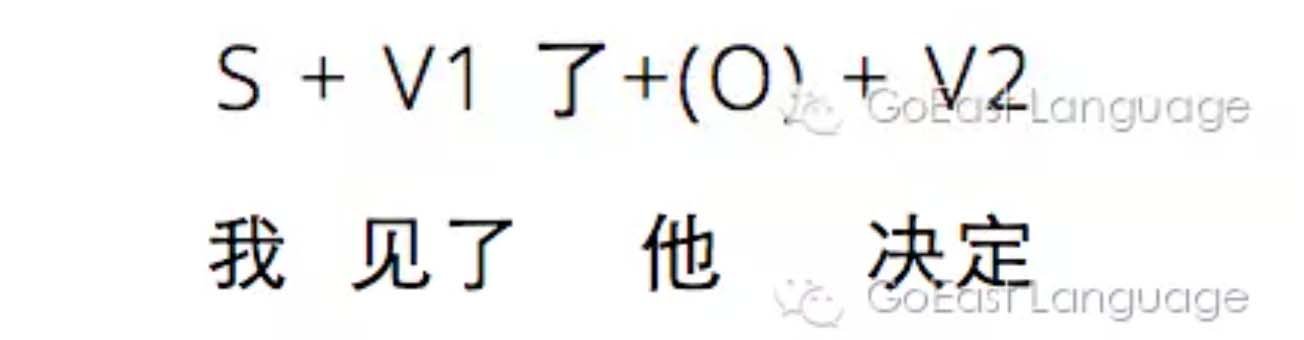
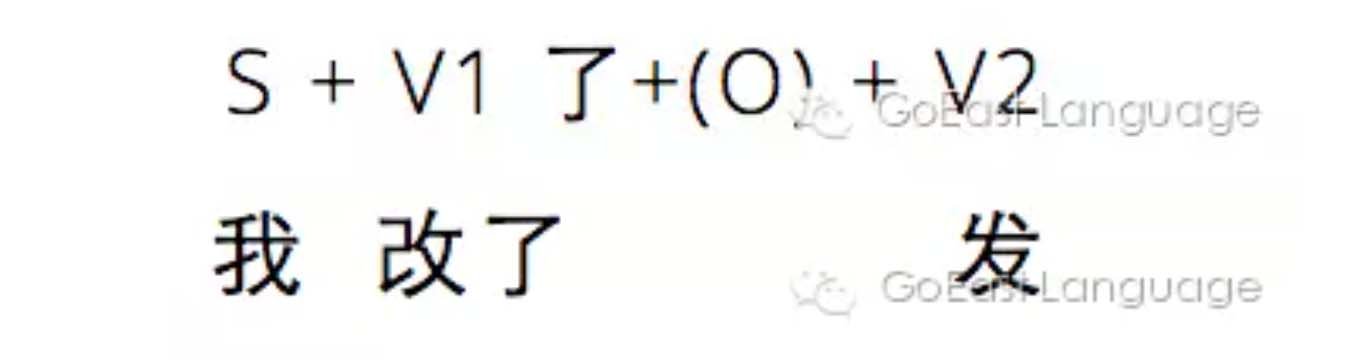
Typical shape for “after Verb₁, Verb₂”: two verbs, 了 after the first. Habitual past (“I used to…”) usually takes no 了 — use time words instead.
- 我见了他以后才能决定要不要跟他的公司合作。 Wǒ jiàn le tā yǐhòu cái néng juédìng yào bu yào gēn tā de gōngsī hézuò. — Only after meeting him can I decide whether to cooperate with his company.
- 我改了以后发给你,你别担心。 Wǒ gǎi le yǐhòu fā gěi nǐ, nǐ bié dānxīn. — I’ll send it to you after I revise it. Don’t worry.
Double 了 — “so far, and still”
Top-ranking grammar guides highlight a pattern many blog posts skip: Verb + 了 + quantity/duration + 了. The first 了 marks progress so far; the final 了 says this is the current state (often implying continuity).
- 我吃了三碗饭了。 Wǒ chī le sān wǎn fàn le. — I’ve eaten three bowls (so far).
- 他学了三年中文了。 Tā xué le sān nián Zhōngwén le. — He’s been studying Chinese for three years (and still is).
Compare: without the final 了, a quantified completion often reads as a finished total, not a running total.
Negation, questions, and dialogue patterns
Negation — 没 replaces 了
To say an action did not happen, use 没 méi / 没有 méiyǒu and drop 了. They cancel each other: 没 = “not done,” 了 = “done.”
- ❌ 我没吃饭了。 Wǒ méi chī fàn le.
- ✅ 我没吃饭。 Wǒ méi chī fàn. — I didn’t eat.
- ✅ 她没买衣服。 Tā méi mǎi yīfu. — She didn’t buy clothes.
For the broader 不 bù vs 没 méi contrast, see the difference between 没 and 不.
Yes/no questions
Subject + Verb + Object + 了 + 吗 ma?
- 你吃饭了吗? Nǐ chī fàn le ma? — Have you eaten?
- 你看电影了吗? Nǐ kàn diànyǐng le ma? — Did you watch the movie?
Real conversation snapshots (Research Team)
| Scene | Chinese | English |
|---|---|---|
| Lunch | A: 你吃饭了吗? B: 吃了!我吃了一碗面。 | Have you eaten? / Yes — I had a bowl of noodles. |
| Shopping | A: 你买什么了? B: 我买了两件衣服。 | What did you buy? / I bought two pieces of clothing. |
| Plans | A: 你看电影了吗? B: 没看,你呢? | Did you watch the movie? / Not yet — you? |
Bonus: 不了 / 得了 (pronounced liǎo)
Same character, different reading. After a verb, 了 liǎo marks whether something is doable:
- Verb + 得了 de liǎo — can manage to…
- Verb + 不了 bu liǎo — cannot…
- 我受不了。 Wǒ shòu bu liǎo. — I can’t stand it.
- 你吃得了这么多吗? Nǐ chī de liǎo zhème duō ma? — Can you eat this much?
This is not the particle le in the sections above — listen for the tone: liǎo.
了 vs 过 (guò)
Both relate to experience and completion, but they answer different questions.
| 了 le | 过 guò | |
|---|---|---|
| Focus | This event finished / situation changed | Life experience: “have (ever) done” |
| Example | 我去北京了。 Wǒ qù Běijīng le. | 我去过北京。 Wǒ qù guò Běijīng. |
| Reading | I went to Beijing (this trip / now relevant) | I’ve been to Beijing (at some point) |
Full contrast: Difference between 过 (guò) and 了 (le). Measure words with numbers often appear next to 了₁ — refresh them in Numbers in Chinese.
Common mistakes (with fixes)
- Treating 了 as “-ed.” Fix: ask completion vs change, not “is it past?”
- Keeping 了 with 没. Fix: 没 + verb, no 了.
- Number + 了 at the end. Fix: Verb + 了 + number + measure + object.
- 了₁ on stative verbs. Fix: time word + 是 / 在 / 喜欢 — no completion 了.
- Omitting 了₂ on breaking news. Fix: 天冷了 Tiān lěng le, 我来了 Wǒ lái le.
| When | Structure | 了? | Example |
|---|---|---|---|
| Simple completion | V + O + 了 | End | 她吃饭了 |
| Completion + number | V + 了 + # + O | After verb | 她买了两件衣服 |
| Didn’t happen | 没 + V + O | Drop | 她没买衣服 |
| Yes/no question | V + O + 了 + 吗 | Before 吗 | 她买衣服了吗? |
| Change of state | … + 了 | Sentence end | 天黑了 |
Cultural note: 吃了吗? (Chī le ma?)
GoEast Research Team note: 吃了吗? Chī le ma? (“Have you eaten?”) is one of Mandarin’s classic greetings — often less about food than care. The courtesy of asking whether someone had eaten before entering a home appears in traditional neighborly codes such as the 《吕氏乡约》 Lǚshì Xiāngyuē associated with the Northern Song period; over time the phrase became everyday warmth, especially around mealtimes. A natural reply is simply 吃了 Chī le — “yep, I have.”
Key takeaways
- 了 ≠ past tense — it marks completion (了₁) or a new situation (了₂).
- No number → 了 often at the end; got a number → 了 right after the verb.
- 没 → no 了. They never stack for “didn’t do it.”
- Double 了 = this much so far, often still true now.
- Announce change with sentence-final 了: weather, time, arrival, new habits.
Drill 了 until it’s automatic
Rules stick when you use them in real turns. Book a free GoEast trial class and practice 了₁ / 了₂ with a teacher in about 25 minutes.
Frequently asked questions
How do you use 了 (le) in Chinese?
Place 了 after a verb to mark a completed action (了₁), or at the end of a sentence to mark a change of state (了₂). It is an aspect particle, not an English-style past-tense ending.
Is 了 the past tense in Mandarin?
No. 了 can appear in past or future contexts. Time words set when something happens; 了 marks completion or that the situation is newly different.
Where does 了 go when there is a number?
Put 了 directly after the verb: Verb + 了 + number + measure word + object — for example 我买了三本书 Wǒ mǎi le sān běn shū.
Can I use 没 and 了 together?
Not when negating a completed action. Use 没/没有 + verb and drop 了: 我没吃饭 Wǒ méi chī fàn, not 我没吃饭了.
What is the difference between 了₁ and 了₂?
了₁ follows the verb and marks completion. 了₂ ends the sentence and announces a new situation (“now”). Some sentences use both (double 了) for a running total up to now.
What does double 了 mean?
In patterns like 我吃了三碗饭了 Wǒ chī le sān wǎn fàn le, the first 了 marks the amount completed so far and the final 了 marks the current state, often implying the action may continue.
When should I use 过 instead of 了?
Use 过 guò for life experience (“have ever done”). Use 了 for a specific completed event or a change that matters now. Example: 去过北京 (been there before) vs 去北京了 (went / has gone in this context).